Bottle Opener Bluework: A Craft Fair Embroidery Review
As an embroidery designer preparing for a weekend craft fair, my first task is reviewing designs like Bottle Opener Bluework. This isn't just about aesthetics; it's a real-world assessment of what will sell, look good in a crowded booth, and be practical to produce in batches. Let's walk through this evaluation from a professional maker's perspective.
First Impression: Decorative & Functional Kitchen Charm
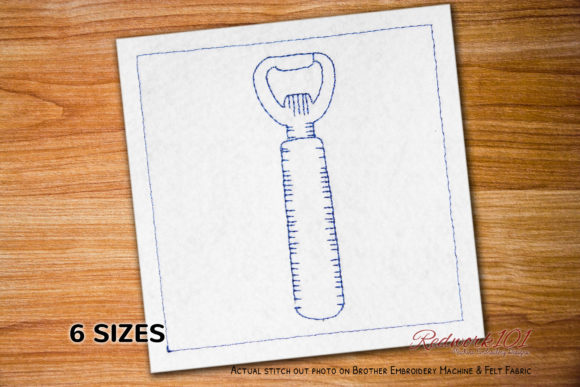
Bottle Opener Bluework immediately strikes me as a decorative, functional design. The word "Bluework" suggests a classic, potentially monochromatic or limited-color palette, which often leans towards a soft rustic or farmhouse feel. This is a strong starting point. For craft fair customers browsing housewares, this design bridges the gap between a purely decorative motif and a useful tool label. It feels like it belongs in a cozy kitchen, a handmade gift, or a boutique home goods section. The title is clear and descriptive, which is excellent for customer understanding at a glance.
Where Bottle Opener Bluework Stands Out on the Sales Table
Imagine your booth: tote bags, aprons, tea towels, patches, caps, and pouches all arranged to draw attention. Bottle Opener Bluework wouldn't be the loudest, funniest design, but it has a specific niche. It would shine on kitchen-focused products. An embroidered tea towel or apron with this design becomes a themed, useful item. On a tote bag or market bag, it adds a touch of homemade kitchen charm. As an embroidered patch, it could be sold separately for crafters to apply to their own items, expanding your product range.
The key is placement. This design likely works best as a medium-sized focal point, not a tiny accent. On the center of a tea towel or the pocket of an apron, it commands attention. On a cap, you must consider the curved surface; the design must be tested to ensure it doesn't distort. For a small pouch, it could be a charming main feature. In a booth display, grouping several products with this same design creates a cohesive, professional collection that suggests quality and thoughtfulness.
Practical Production for the Busy Maker
Turning a digital embroidery file into a sellable craft fair product requires careful planning. For Bottle Opener Bluework, several production points come to mind.
Testing on Real Fabrics & Textures
First, always test on scrap fabric that matches your final product. Kitchen towels can be textured; tote bags are often thick canvas. Dense stitch areas, if present, might need adjustments on these fabrics. The description mentions "The Box Stitch shown in the picture is optional," and that the outer box color can vary. This is crucial information. As a maker, I would test multiple thread color combinations on different fabric backgrounds—especially dark fabrics—to ensure contrast and clarity. Tiny details or small lettering within the design must be checked to see if they remain crisp at your chosen hoop size.
Batch Production & Photographing for Sale
This design feels repeatable. Its clear theme and likely straightforward composition make it suitable for batch-producing a line of tea towels or aprons. For your Etsy listings or online shop, photographing these items is vital. A design like Bottle Opener Bluework should photograph well, especially if the thread color pops against the fabric. Creating at least one real mockup—a finished tea towel, for instance—is non-negotiable. It shows the handmade quality and helps customers visualize the product value. Remember to confirm all commercial licensing for the embroidery file before selling any finished products.
Visual Appeal & Customer Engagement at the Fair
At the craft fair itself, Bottle Opener Bluework contributes to your booth's strength through consistency. If you have a lineup of house-themed embroidery, this design fits perfectly. It appeals to customers looking for giftable handmade items—something useful yet prettier than a store-bought version. It doesn't rely on a joke or trend, which can give it a longer shelf life in your product catalog. The perceived value increases when the embroidery is clean, the stitches are neat, and the product is well-made. This design supports that by being inherently tasteful and purpose-driven.
Careful-Use Notes for Optimal Results
- Stitch Density: Check the file on your machine. Dense areas can cause puckering on lightweight fabrics like tea towels, requiring the right stabilizer.
- Scale: Embroidering it too small might lose the charm and detail. Test a few hoop sizes to find the sweet spot.
- Fabric Color: The "bluework" name suggests potential contrast issues on blue fabrics. Always test thread contrast.
- Product Range: It may not suit every product. On a curved cap surface, it might need simplification. On a pillow cover, it could be a delightful accent.
Final Designer Notes Before the Hoop Hits the Fabric
My professional advice for using Bottle Opener Bluework for your craft fair or small shop products is to approach it systematically. Treat it as a valuable design asset. Review the spacing and composition. Inspect the stitch density in your software. Use the appropriate stabilizer for your chosen fabric—this is often the difference between a mediocre and a premium-looking finished product. Compare how it looks on light versus dark fabric colors; you might create two product variations to maximize sales.
Ultimately, Bottle Opener Bluework represents a solid, marketable choice for makers targeting the home and kitchen category. It has clear application, a pleasant aesthetic, and good potential for batch production. By focusing on quality execution on the right products—like tea towels, aprons, and totes—you can turn this digital embroidery file into a lineup of craft fair products that feel cohesive, handmade, and genuinely sellable. Now, it's time to test it on some scrap fabric and get hooping.