Love Car Embroidery: A Designer's Review for Real Projects
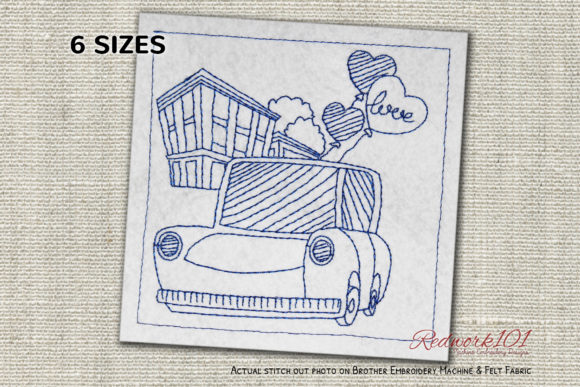
When an embroidery file lands in my library, the first thing I do is imagine it stitched out. Not just on a test swatch, but on a real product destined for a client or my shop shelf. The ‘Love Car’ design immediately sparked that process. It’s not just a Valentine's Day motif; it’s a character. The little car, presumably carrying its heart-shaped passenger, has a playful, almost vintage personality. The mood is sweet and nostalgic, not overly saccharine, which gives it a wider appeal beyond just the holiday. This visual personality is its greatest asset.
Where This Design Finds Its Perfect Home
In my hands, a design like this needs to earn its keep. I picture it on a custom tote bag for a craft fair—something unique that catches the eye. It would sing on the front of a cotton apron, a sweet gift for someone who loves to bake. For a baby’s nursery item, like a blanket corner or a little sweater, it’s gentle and charming. As a boutique product, perhaps a linen pillow cover, it adds a touch of handmade whimsy that buyers appreciate. The layout is straightforward, with a clear focal point, making it adaptable. I’d avoid using it on caps or curved surfaces unless the design is significantly simplified, as those detailed corners and the potential box outline could get lost or pucker on a complex curve.
Navigating the Stitch-Out: Practical Performance Notes
The product description mentions the outer box stitch is optional and that its color is often different. This is a crucial practical note. For real project use, I always test on scrap fabric first. On a dark background, like a black sweatshirt, that optional box might need to be skipped entirely or stitched in a very light, contrasting thread to be visible. On a light fabric, it could frame the car nicely. Checking thread color contrast against your final fabric is non-negotiable here. The design’s charm relies on clarity.
Stitch density is always a consideration. Areas like the car body or the heart will likely use fill stitches. On thinner fabrics like tees or baby clothes, a dense fill can be problematic, causing stiffness or even fabric distortion. A good stabilizer is your best friend. For a kitchen towel or a tea towel, which needs to remain flexible and withstand washing, I’d consider reducing the stitch density if the file allows, or ensuring my stabilizer choice is robust. The small details, like the car’s features, need to be inspected in the actual embroidery file to ensure they’re not too tiny to stitch cleanly on, say, a textured fabric like a sweater.
Why Details Matter for Customer Trust and Value
When you’re selling a handmade product or a personalized gift, the finished stitch quality directly impacts customer trust. A design with clear, crisp lines and well-defined elements, like Love Car, contributes to a professional presentation. It looks intentional and cared for. This boosts the perceived value of an embroidered patch, a custom apparel item, or a holiday gift. It feels like a complete design asset, not a generic clipart. For an Etsy seller or small shop product, that professionalism in the finished product fosters buyer engagement and repeat business. A gift made with a clear, lovely design simply feels more special.
Scenarios for Success and Careful Application
Let’s walk through a real case. I’m preparing a Valentine’s Day themed sweatshirt for a small batch run in my shop. I choose a mid-weight cotton blend. I test Love Car on a scrap piece first, using a medium-weight cutaway stabilizer. I decide to skip the optional outer box color because the sweatshirt fabric is a heather gray and I want the car to be the sole focus. The stitch-out is clean, the heart inside the car pops with a satin stitch in red. The final product looks cohesive and high-quality. It’s a success.
Now, a cautionary scenario. I consider it for a detailed, embroidered patch to be applied to a leather jacket. The small details might not translate well to the patch’s edge, and the potential box outline could create a busy border. It’s not the best fit. Similarly, on a very small hoop size, the design’s elements could become cramped, losing their playful clarity. Always match the design’s scale to your available hoop size and the product’s surface area.
The Bigger Picture: From Personal Projects to Commercial Use
For the hobbyist making a personalized gift, Love Car is a joyful choice. It’s recognisable and emotionally resonant. For the creative entrepreneur, it’s a versatile piece for craft fair products or digital product previews. Before any commercial embroidery, however, confirming the licensing is essential. Can you sell the finished items made with this embroidery file? Can you use it in digital mockups for your brand? Never assume. This step protects your craft business.
A final, always-relevant tip: test the design in black and white mockups. How does it look as a simple silhouette? This helps you judge its form without color, which is vital for understanding how it might perform on both light and dark fabric backgrounds. Does the car shape hold up? If so, you have a robust design for a wider range of projects.
Love Car, from a designer’s point of view, is a confident little design. It knows what it is: a charming, thematic emblem ready for transformation into thread. Its value lies in that clear personality and adaptable structure. By approaching it with practical steps—testing, considering fabric, choosing its applications wisely—you can turn this digital embroidery file into a finished product that carries its warmth and character perfectly, stitch by stitch.