Mardi Gras Happy-Sad Faces: A Designer's Fair Booth Review
Walking into my studio to prepare for a weekend craft fair, the first design I pull up for review is Mardi Gras Happy-Sad Faces. As an experienced embroidery designer, my immediate judgment isn't about artistry alone; it's about viability. Will this embroidery design capture attention on a crowded table? Can I produce it efficiently on multiple products? Does it feel like something a customer will pick up and buy? Let's break it down from a purely practical, sales-focused perspective.
The Immediate Mood and First Impression
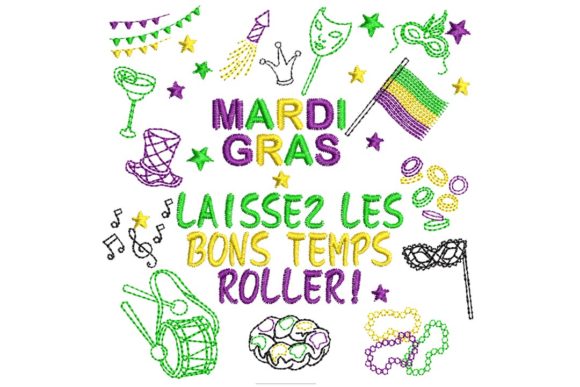
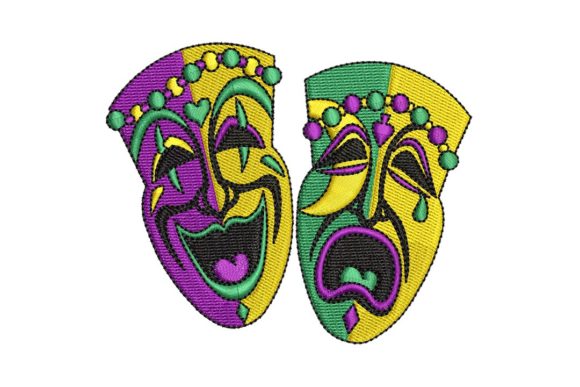
The title, Mardi Gras Happy-Sad Faces, tells me this is squarely in the Holidays category, but with a quirky, emotional twist. "Happy-Sad" suggests a playful, almost theatrical duality—perfect for the festive, exaggerated spirit of Mardi Gras. My first impression is that this design leans bold, funny, and festive. It's not minimal or rustic; it's decorative and attention-grabbing. For a craft fair booth, that's a great starting point. Customers scanning a table from a few feet away need designs that pop. This concept, combining classic Mardi Gras motifs with contrasting expressions, should have inherent visual intrigue.
Product Performance: Where This Design Shines
I envision my booth display: a mix of embroidered tote bags, aprons, tea towels, patches, caps, small pouches, and pillow covers. I mentally place the Mardi Gras Happy-Sad Faces on each one to gauge its fit.
For tote bags and market bags, this design could be a fantastic focal point. A larger version on the front panel of a canvas tote would make a statement gift. On aprons and kitchen towels, the festive theme works well, especially if the colors are vibrant. A smaller, accent-sized version on the corner of a tea towel could be charming, but I need to consider stitch density on textured towel fabric.
Embroidered patches are a hot seller, and this design has the character to stand alone as a patch. It would appeal to customers looking for a unique, handcrafted badge for jackets or bags. For caps, the curved surface is a challenge; designs with very dense stitch areas can pucker, so I'd need to test a sample on scrap fabric first.
Small fabric pouches and pillow covers offer another great canvas. On a pillow, it becomes a decorative home accessory, extending its use beyond wearable gear. As a craft fair product, having a variety of applications increases my chances of a sale—someone not needing a tote might love it on a pillow.
Critical Practical Production Points
Before committing to batch production, several technical checks are non-negotiable. The description mentions it "comes with multiple embroidery file formats," which is excellent for my commercial embroidery machines. But I must still:
- Test on scrap fabric identical to my final products (canvas, denim, cotton, towel material).
- Check thread contrast, especially if using on dark fabric—the colors need to be saturated enough to stand out.
- Review spacing and tiny details: The "faces" element implies possible small features like eyes or mouths. I need to see if these lose clarity at smaller sizes for accent placements.
- Confirm hoop size requirements from the actual embroidery files to ensure my standard hoops work.
- Inspect stitch density in any dense areas to prevent fabric stiffness or puckering, particularly on stretchy or thin materials.
- Use the right stabilizer for each fabric type; a design with both fill and detail areas might need a firm stabilizer for clean stitches.
- Create at least one real mockup—a physical, stitched item—for my booth. A real product photographs better for Etsy listings later than a digital mockup and lets customers touch the quality.
- Compare fabric colors: I'll stitch it on a few background colors to see which combinations sell the vibe best—likely brights or black for contrast.
- Confirm commercial licensing before selling finished products. The description says it "can be used in multiple embroider," but I need to verify the license allows for small shop product sales at craft fairs and online.
Selling Power and Booth Engagement
At a fair, customer attention is everything. Mardi Gras Happy-Sad Faces has a narrative—the happy and sad masks—which gives me a talking point. I can explain the Mardi Gras tradition of masks and the playful twist. That story adds product value and enhances the handmade quality perception. It feels more thoughtful than a generic logo.
For visual appeal, grouping all products featuring this design together in my booth creates a strong, cohesive display. A tote bag design hung next to a matching patch and a tea towel creates a mini-collection that attracts buyers looking for themed gifts. It boosts brand consistency for my booth as a specialty embroidery seller.
Buyer engagement often hinges on uniqueness. In a sea of floral and geometric designs, this holiday-themed, character-driven embroidery should stand out. It’s likely to spark smiles and questions, which is exactly what I want.
Careful-Use Notes for Optimal Results
My experience dictates a few cautionary steps for this specific design type:
- Given the holiday theme and likely intricate masks, small lettering or extremely fine lines might not translate well to smaller items like patches or caps. I would prioritize larger applications where the detail can shine.
- On textured towels or thick fabric like some aprons, I might need to increase stabilizer or even adjust the design pull compensation to keep it sharp.
- For batch production, I need to assess if the design is repeatable without excessive thread changes or long stitch times. A design that takes too long per item isn't efficient for fair prep.
- Photographing for online listings: The contrast and colors must be vivid. I'll photograph the mockup in good light, possibly against a neutral background, to ensure the "happy-sad" duality is immediately clear in the Etsy seller thumbnail.
Final Judgment for the Craft Fair
Mardi Gras Happy-Sad Faces presents a strong opportunity for a holiday-themed craft fair booth. Its festive, bold, and playful mood aligns perfectly with the handmade, gift-oriented market. The key to success will be in the product selection. I believe it will perform best as a large focal design on items like tote bags and pillow covers, where its details can be fully appreciated, and as a standalone, high-quality embroidered patch. It has the character to draw eyes across a busy aisle.
My action plan is clear: verify the commercial use license and technical file details, stitch a test sample on my primary fair fabric (likely canvas), and produce a small batch of tote bags and patches as my lead products. If the stitch density is manageable and the colors pop, this machine embroidery design could become a standout seller, not just for Mardi Gras season, but for anyone drawn to its unique, emotive charm. Always remember: at the fair, the product that tells a story and feels special in hand is the one that walks away in a customer's bag.