A Designer's Practical Review of Bare Tree Standing Design
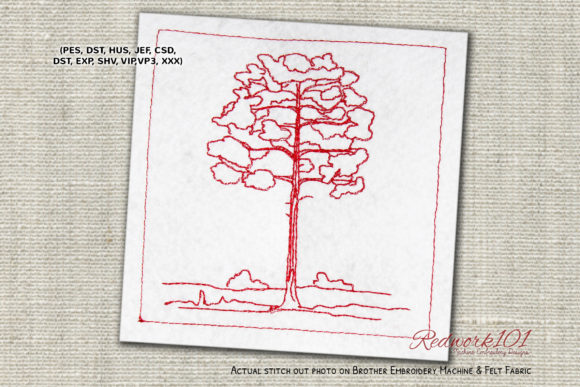
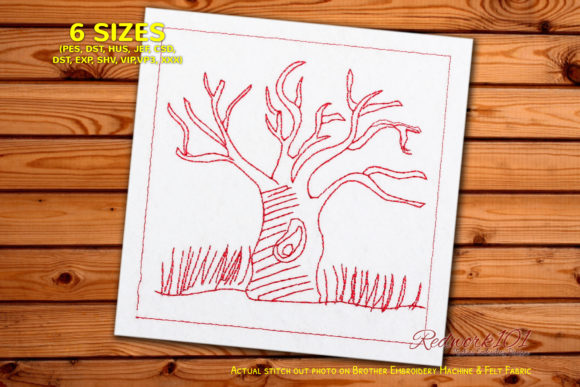
Whenever I see a new design, my first question isn't about its technical specs. It's about the story it tells and the practical work it asks me to do. The Bare Tree Standing Design immediately evokes a feeling of quiet strength, a solitary silhouette against a backdrop. It’s a simple, elegant graphic that leans toward minimalism, but with enough character to stand on its own. This isn't a dense, detailed woodland scene; it’s a singular statement piece. The mood it creates is calm, grounded, and a bit poetic. Its visual personality feels versatile—it could be modern, rustic, or contemplative depending on how you frame it.
The Shape of This Design and Where It Belongs
The layout is straightforward. The focal point is clearly the tree itself. As noted, the outer box stitch shown is optional, which is a thoughtful feature. This gives you control over the final composition. The design itself has a lovely negative space that makes it feel open and breathable, which is a huge plus for embroidery. It won’t feel like a heavy block of stitches on your project. This makes it a natural fit for items where you want a clean, uncluttered aesthetic. Think of a minimalist tote bag for a boutique, a serene pillow cover for a nursery, or a subtle accent on a high-quality kitchen towel. Its theme, while belonging to the Forest category, is abstracted enough to transcend that label. It could be a symbol of resilience, a marker of a season, or simply a beautiful shape.
Stitching This Design Into Real Projects
Let’s imagine a real scenario. I’m preparing a custom order for a client who wants an embroidered linen apron as a wedding gift. They want something elegant and personal, not overly floral or fussy. The Bare Tree Standing Design comes to mind. Its solitary form would stitch out beautifully on the crisp, textured linen. Because of its open shape and likely manageable stitch density, it wouldn’t pucker the fabric or feel stiff. The recipient would see a piece of art, not just a decoration. This is the kind of thinking that matters: how does the design translate from the screen to the thread and fabric?
For real-life embroidery situations, this design has broad appeal. On custom apparel like a high-quality sweatshirt or a simple t-shirt, it provides a sophisticated, non-trendy graphic. For a baby item, such as the corner of a blanket, it’s a gentle, natural motif. As an embroidered patch, it would be crisp and recognizable. For small business merchandise—think tea towels, caps, or simple pouches from an Etsy seller—it adds value through its handmade presentation without being overwhelmingly complex to produce. It’s a strong candidate for printable mockups to sell the digital embroidery file itself, as its clean lines show well in previews.
Where Careful Consideration is Needed
While versatile, every design has its optimal applications. For Bare Tree Standing Design, I would be cautious on very small hoop sizes. The fine details of the tree’s branches and form need enough space to stitch clearly without blurring. On highly textured or stretchy fabric, like certain knit caps, the linear elements might distort if not stabilized perfectly. Dark fabrics will require thoughtful thread color choice to maintain the design’s clarity—a high-contrast light thread might be essential.
Products that need frequent washing, like everyday kitchen towels or baby clothes, need a design that can hold up. This one, with its likely reliance on clean outlines and fill stitches, should be robust if stitched with quality thread and proper stabilizer. However, on thin fabrics, the stitch density, even if moderate, could be a factor. Always test first. The design’s strength is its silhouette, so on curved surfaces like a baseball cap, placement is key to keep that silhouette intact.
The Impact on Your Craft and Your Customer
Using a design like Bare Tree Standing Design affects more than just the stitch-out. It influences visual appeal, stitching clarity, and ultimately, product value. When a design stitches out cleanly, with sharp lines and no glitches, it builds customer trust. They see professionalism in the finished product. For a handmade shop owner or creative entrepreneur, this consistency strengthens brand identity. A design with this mood enhances giftability—it feels intentional and thoughtful.
For buyer engagement, especially in online listings like Etsy, a well-executed embroidery of this design tells a story. It’s not just a tree; it’s a piece of art applied with skill. This elevates it from a simple commodity to a desirable handmade product. For commercial embroidery projects, perhaps for a small boutique’s branded items, it offers a recognizable, classy logo alternative that doesn’t look mass-produced.
Essential Designer Notes Before You Hoop Up
My practical advice for putting Bare Tree Standing Design into action is always to start with a test. Run it on scrap fabric that matches your final project’s texture and weight. Check thread color contrast against your background—does it pop or fade? Review the stitch density in your machine embroidery software; is it suitable for your chosen fabric? Confirm the hoop size you’ll need for the design to stitch without compromise.
Inspect the small details. Are the finest branches of the tree defined well in the embroidery file? Test the design concept in black and white mockups to see its form stripped of color. Compare how it looks on both light and dark fabric backgrounds in your mind. Use a proper stabilizer; this is non-negotiable for professional results.
Crucially, before selling finished items or using the design as a commercial design asset, confirm the licensing terms for the digital embroidery file. Understand whether it’s for personal use, commercial use, or both. This protects your craft business and respects the designer’s work.
Finally, think about the optional box. The product description notes that the color of the outer box is often a different color and can be skipped. This is a powerful creative lever. Skipping it leaves the pure tree silhouette. Including it, perhaps in a contrasting satin stitch, frames the design and could make it perfect for an embroidered patch. Your decision here tailors the design to your specific embroidery project.
The Bare Tree Standing Design is a tool. Its value is realized not when downloaded, but when thoughtfully applied. It asks you to consider fabric, placement, color, and intent. When you do that, it rewards you with a finished product that carries a quiet confidence—the kind that resonates with customers, gift recipients, and your own creative satisfaction.