Papaya Tree Lineart: A Design Review for Business Merchandise
When a small business owner or merch creator brings a digital embroidery file like Papaya Tree Lineart to me for review, my first task is always to look beyond the art itself. I evaluate its potential as a functional brand asset. This review is from that practical, production-focused perspective.
First Impression: Versatile, Friendly, and Naturally Professional
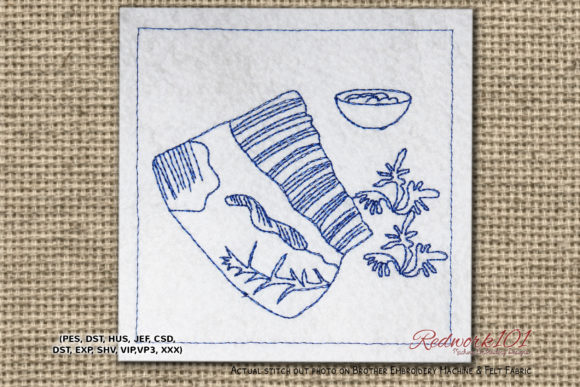
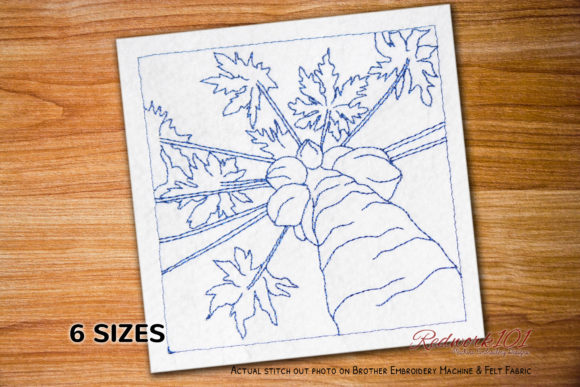
The title, Papaya Tree Lineart, immediately communicates a clean, graphic style. Lineart suggests a design stripped down to its essential outlines, which is a powerful starting point for branded merchandise. It feels both friendly and professional. The organic, food-related theme (papaya tree) lends a handmade, natural authenticity, while the lineart technique promises clarity and reproducibility across different items. This balance is ideal for businesses like cafes, bakeries, florists, or creative studios wanting to appear approachable yet polished.
Real-World Application for Small Business Merchandise
The core question is: how does this machine embroidery design perform in real applications? Let’s walk through typical use cases.
Embroidered Patches for Brand Consistency
For a patch, the lineart style is excellent. Clean outlines typically translate to well-defined stitches. A embroidered patch using Papaya Tree Lineart could serve as a product label for a handmade shop, a loyalty gift for a pet brand, or a uniform accent for a boutique’s staff. The optional box stitch mentioned in the description is a key consideration. If the outer box is not part of the core design, omitting it creates a softer, more integrated patch, perfect for sewn-on labels. Including it creates a bold, framed badge ideal for a cap or bag.
Uniforms, Aprons, and Workwear Embroidery
On staff uniforms, aprons, or work shirts, this design acts as a subtle brand identity mark. Chest or sleeve embroidery needs to be legible but not overpowering. The lineart’s simplicity should achieve this, provided the stitch count isn’t excessively high for small sizes. For a café apron or a florist’s shirt, Papaya Tree Lineart reinforces the business’s theme without distracting from the task.
Tote Bags, Caps, and Customer-Facing Merch
This is where the design can shine as a primary logo. On a tote bag design or cap embroidery, the graphic becomes a statement. The natural theme makes it attractive for customer purchase as event merch or Etsy branding. The single-color potential (skipping the optional box color) means it can be embroidered efficiently with one or two thread colors, keeping production costs manageable for a small business.
Caution Areas and Production Considerations
Every design has points requiring careful handling. For Papaya Tree Lineart, these are primarily related to scale and application.
- Small Patch Sizes: If creating a very small patch (under 2 inches), the detail in the tree lineart must be tested. Tight curves or thin lines may need adjustment to prevent stitch bunching.
- Cap Fronts and Curved Surfaces: Embroidering on curved surfaces like cap fronts demands a stable, balanced design. The optional box could help frame the design here, adding stability, but the overall stitch density must be appropriate to avoid puckering.
- Dark Uniforms and Fabric Texture: On dark fabrics, thread color contrast is critical. A white or bright thread for the lineart would pop, but the design’s effectiveness depends on the final chosen thread colors. Always test on the actual fabric.
- Items for Frequent Washing: Merchandise like work shirts needs durable embroidery. A clean lineart design with good underlay and proper stabilizer use will typically hold up well, but testing on a sample subjected to wash cycles is advised.
Impact on Brand Identity and Customer Perception
Using Papaya Tree Lineart on your merchandise isn’t just decoration; it’s a strategic brand decision.
It enhances visual consistency. The same design on your apron, your tote bag, and your product packaging creates a cohesive professional image. For a handmade product business, the organic theme aligns perfectly with the brand story, building customer trust. It elevates product value; a tote bag with a clean, custom embroidered mark feels more premium than a blank one. Finally, it drives engagement. A playful, well-executed embroidery on staff wear makes your brand more memorable and approachable.
Practical Designer Notes Before You Proceed
Before running this digital embroidery file for commercial embroidery, follow these steps.
- Test in Black and White First: Run a test on scrap fabric using a single high-contrast thread color. This reveals the true structure and any potential issues with outlines before introducing multiple colors.
- Check Performance at Small Scale: Hoop it at your intended smallest size (e.g., for a product label) and stitch it. Does it remain clear and crisp?
- Review Thread Color Contrast: Plan your thread palette. If skipping the optional box color, ensure your main lineart color stands out against your fabric.
- Inspect Spacing and Hoop Size: Confirm the design fits comfortably in your standard hoop size for your target items (caps, patches, etc.).
- Test on Real Fabric: Always stitch a sample on the exact fabric type you’ll use for production (cotton twill for patches, polyester for caps, canvas for bags).
- Create a Printable Mockup for Client Approval: If you’re an embroidery shop producing for a client, a mockup showing the design on a bag or apron is crucial for approval.
- Compare Beside Other Assets: Place the stitched sample beside your client’s other branding (website, logo) to ensure visual harmony.
- Confirm Commercial Licensing: The product description does not specify license terms. Before using for any business merchandise, you must verify that your purchase or download includes a license for commercial use on the products you intend to make.
Papaya Tree Lineart presents a strong, versatile foundation for food-themed or natural brand merchandise. Its lineart style offers clarity and adaptability, making it a candidate for everything from subtle uniform accents to prominent tote bag designs. By methodically testing its application across sizes and fabrics, and confirming its commercial license, you can transform this digital file into a tangible asset that elevates your brand’s presence and professionalism.