From Kitchen to Merch: Evaluating the Roasted Duck Embroidery Design
As a professional embroidery designer specializing in small business branding, I see designs like Roasted Duck with a very specific lens: how will it translate from a digital embroidery file into a tangible asset that builds brand identity and sells products? When a café, bakery, or gourmet food shop considers using this design for their merchandise, the evaluation starts not with aesthetics alone, but with practicality and brand impact.
First Impression: A Friendly and Rustic Character
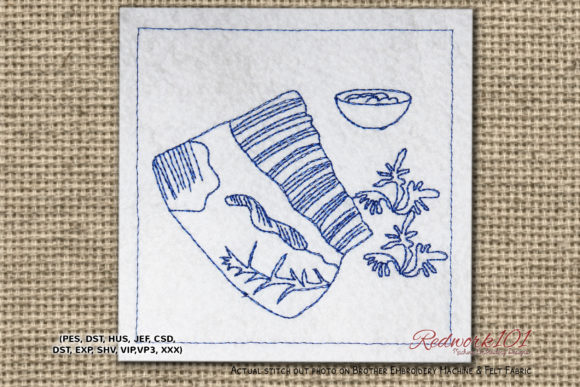
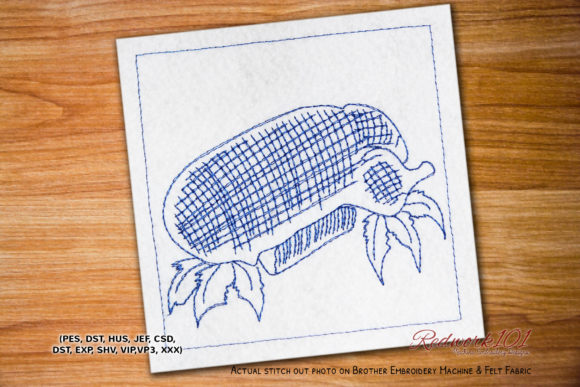
The title Roasted Duck immediately sets a thematic, food-centric tone. The design itself, based on the description, suggests a potential for a rustic, handmade, or classic culinary feel. For a business, this translates to a friendly and authentic personality. It doesn’t scream “corporate”; it whispers “craftsmanship.” This is a significant advantage for small businesses like farm-to-table restaurants, specialty butcher shops, or artisan food producers looking to connect with customers on a more personal level. The optional box stitch detail mentioned offers a framing element that can either enhance a decorative, premium look or be skipped for a cleaner, more modern presentation, giving you flexibility.
Real-World Business Applications for Roasted Duck
Let’s move from concept to concrete application. Where would Roasted Duck perform well as a branded element?
- Embroidered Patches: This is a prime candidate. A well-executed Roasted Duck patch can be affixed to aprons, chef coats, or tote bags, serving as a perfect product label accent or uniform badge. It adds value and visual consistency.
- Staff Uniforms & Aprons: Embroidered directly onto chests or sleeves of work shirts and aprons, it reinforces professionalism and team identity in a kitchen or retail space.
- Cap Embroidery: For a branded cap, the design’s likely bold, thematic nature could work well on the front panel, provided the stitch density and detail are suitable for the curved surface.
- Tote Bag Design & Customer Gifts: A tote bag featuring this design becomes a functional piece of merchandise—a walking advertisement that feels handmade and premium.
- Product Packaging & Boutique Merchandise: Smaller embroidered versions could adorn product packaging, or be used on handkerchiefs, tea towels, or other boutique items sold alongside the main product, elevating the entire brand experience.
Strategic Placement and Considerations for Use
Every design has its limits, and knowing them prevents production issues. For Roasted Duck, careful consideration is needed in several scenarios.
- Small Patch Sizes: If you intend to create a very small patch for a product label, you must test the embroidery file at that reduced size first. Fine details or text may become lost or muddy.
- Cap Fronts & Curved Surfaces: The curvature of a cap can distort designs. A test run on the actual cap material with proper stabilizer is non-negotiable.
- High Stitch Density & Dark Fabrics: If the design has areas of high stitch density, it can become stiff and may not contrast well on dark uniform fabrics without thoughtful thread color selection.
- Items for Frequent Washing: Merchandise like work shirts that undergo regular washing needs durable embroidery. Checking the stitch structure and recommending robust stabilizers during production is key.
The Impact on Brand Identity and Customer Perception
Using Roasted Duck isn't just about decoration; it's a branding decision. A cohesive, well-embroidered application on your merchandise builds customer trust and recognition. It signals attention to detail and investment in your brand’s presentation. For a handmade product business or an Etsy seller, this design can help differentiate your products, adding a layer of perceived value that engages buyers visually. It turns a simple tote bag or apron into a branded design asset, reinforcing your story in the competitive food category.
Practical Notes from the Embroidery Workshop
Before you run this design for any commercial embroidery project, here are my professional workflow recommendations.
- Test in Black and White First: Stitch out a simple version using only black thread on white fabric and white on black. This reveals the core structure and detail clarity without color distractions.
- Check Small-Scale Performance: If patches or small accents are planned, hooping and stitching a sample at your intended smallest size is crucial.
- Review Thread Color Contrast: The description notes the outer box color can vary. Plan your thread palette carefully against your background fabric to ensure maximum visibility and brand alignment.
- Inspect Spacing and Density: Look at the digitized file’s spacing and potential stitch density. Areas too dense can cause puckering, especially on lighter fabrics like those used for aprons.
- Test on Real Fabric: Never rely solely on a digital preview. Stitch the design on the actual fabric you’ll use for the finished product—whether denim, canvas for a tote bag, or twill for a cap.
- Create a Printable Mockup for Client Approval: Before stitching a batch, provide your small business client with a mockup showing the design on the garment. This ensures alignment with their brand vision.
- Confirm Commercial Licensing: The product description does not specify license terms. It is imperative to verify that your intended use is covered under the digital embroidery file’s license before any business production begins.
Ultimately, Roasted Duck presents an opportunity for food-focused businesses to embed their theme into their physical brand presence. Its success hinges not on the design alone, but on your thoughtful application of embroidery fundamentals: proper stabilizer, correct hoop size for the project, and meticulous testing on real textiles. When executed well, it transitions from a simple embroidery file to a powerful tool for building a recognizable, trusted, and visually consistent brand across your custom apparel and small business merch.