A Practical Review of Wedding Ceremony Embroidery
First Impressions: Where This Design Belongs
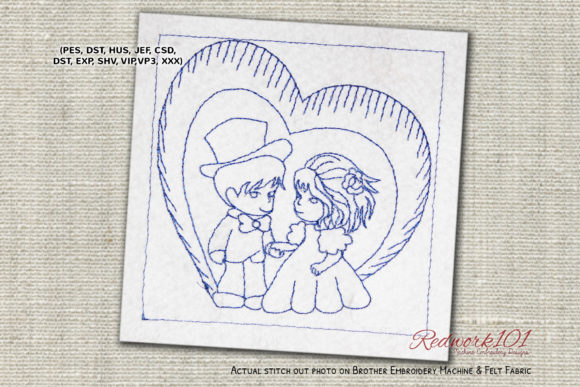
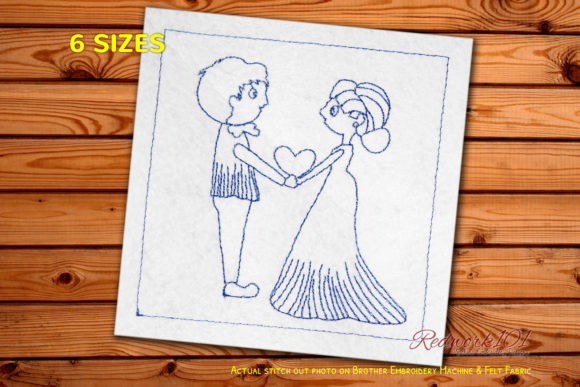
When you load the Wedding Ceremony embroidery file for the first time, its mood is immediately clear. It carries a gentle, formal elegance, with a layout that feels balanced and destined for commemorative pieces. The visual personality is classic, not overly ornate, which is a strength. This isn't a loud, sprawling motif; it’s a focused, intentional design that naturally belongs on items meant to be kept and cherished. For embroidery designers and craft business owners, that’s a valuable starting point. You’re looking at a design that whispers “special occasion” rather than shouting it, making it versatile for a range of personalized gifts and small shop merchandise.
The Real-World Stitching Scenario: A Boutique Tote Bag
Let’s walk through a real case. Imagine you’re preparing a custom embroidered tote bag as a wedding gift for a client. You’ve selected a nice, sturdy cotton canvas. How does Wedding Ceremony perform here? The design’s likely detail level and shape mean it will act as a beautiful centerpiece, not overwhelm the bag’s surface. It promises a clean, professional finish that elevates the handmade product from simple to significant. A customer’s reaction here isn’t just “nice bag,” but “this is a thoughtful heirloom.” That shift in perception directly boosts the product’s value and your client’s trust in your work.
Performance Across Projects: From Apparel to Home Decor
This embroidery design’s true test is in its application across your product line. For custom apparel like sweatshirts or t-shirts, it offers a dignified accent—perfect for a couple’s casual wear or a commemorative family shirt. On baby clothes or nursery decor, it transforms a simple item into a sentimental piece, linking the new beginning to the wedding day. As an embroidered patch, it could be applied to anything from a journal cover to a blanket, offering incredible flexibility for an Etsy seller or creative entrepreneur.
Consider also pillow covers, tea towels, or aprons for wedding gifts. The design’s theme lends itself perfectly to these kitchen and home items, making them feel like part of a curated home set. For holiday gifts or boutique branding—say, a small shop that specializes in wedding-season merchandise—this file becomes a reliable design asset. Its clarity in stitching, assuming proper execution, enhances the handmade presentation and reinforces brand consistency across your offerings.
Where to Exercise Caution: Fabric and Form Factors
Now, for the practical warnings every experienced designer considers. The note about the optional box stitch is key. That outer element’s color is often separate, so you can adapt. This matters greatly on dark fabric where contrast is critical. On stretchy fabric or thin fabric like lightweight linen, you must be meticulous with your stabilizer choice to prevent distortion, especially if the design has areas of stitch density. Tiny lettering or detailed corners within the design need careful inspection on a scrap first.
Curved surfaces like caps can be tricky. If the design is too broad or rigid in layout, it might not conform beautifully to the curve. Always test. Similarly, for small hoop sizes, you need to ensure the entire design remains crisp and legible when scaled down. Products destined for frequent washing, like everyday wear, require a robust stitching approach to maintain longevity.
Impact on Your Business and Craft
Using Wedding Ceremony affects more than just the stitch. It influences your project’s entire appeal. A well-executed embroidery from this file increases customer engagement—it tells a story they want to share. For digital product sellers, it’s a design that can create beautiful printable mockups, attracting buyers looking for quality wedding designs. Its giftability is high, which is a core metric for hobbyists and makers turning their passion into a side business.
For commercial embroidery projects, it offers a professional, recognizable motif that clients seeking wedding gifts or event merchandise will appreciate. This reliability builds your reputation. It’s not just an embroidery file; it’s a tool for creating products that feel complete and considered.
Essential Designer Notes Before You Hoop
Before you commit this design to a final project, run through this checklist. First, always test the design on scrap fabric identical to your project base. This reveals how thread color contrast works and exposes any issues with stitch density or fabric texture. Second, check your hoop size compatibility—does the design scale cleanly to your intended area? Third, inspect those small details; stitch them out to see if they hold their form.
Create black and white mockups and compare light and dark fabric backgrounds digitally to preview the final look. This is crucial for planning. Remember, the optional box element means you have creative control over that frame. Use proper stabilizer for your specific fabric—don’t guess. Finally, a critical step for any craft business: confirm licensing before selling finished items or digital products. Ensure your use, whether for personal and commercial projects, is covered by the file’s terms.
A Design That Earns Its Place
Wedding Ceremony isn’t just another file in your library. It’s a design with a specific, valuable emotional purpose. From the perspective of an embroidery product reviewer, it stands out for its appropriate elegance and adaptability. When stitched with care on the right product—that custom tote, a keepsake pillow, a crisp apron—it achieves exactly what a great machine embroidery design should: it looks intentional, feels meaningful, and supports the quality of your work. For the designer, the small business owner, the maker, that’s the practical judgment that matters most.