Rope Skipping Lineart: A Designer’s Review for Real Projects
As a professional embroidery designer, I download a lot of files with a critical eye. I’m looking for designs that will not only look good on the screen but perform beautifully on fabric, turning into products my clients love. The Rope Skipping Lineart Design from Creative Fabrica recently caught my attention for a custom order. Here’s my honest evaluation after considering it for real handmade and commercial use.
First Impressions: Clean, Active, and Versatile
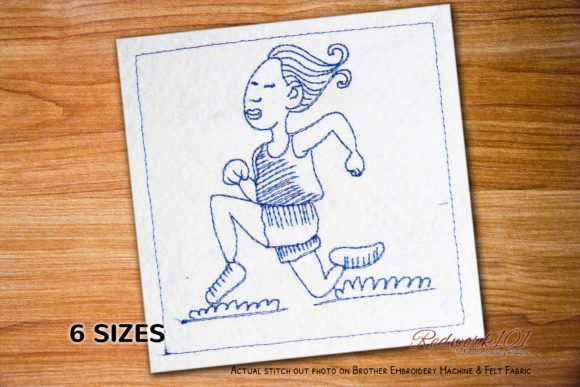
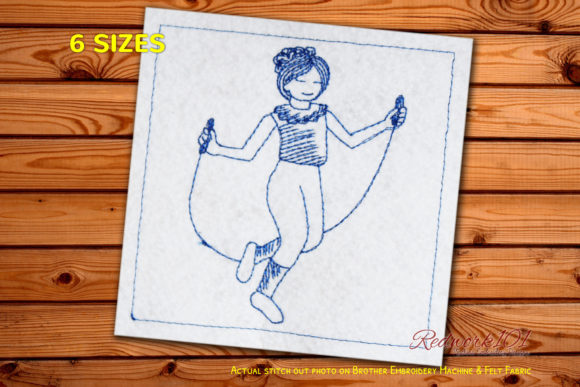
The Rope Skipping Lineart Design presents a crisp, line-art style that immediately suggests movement and playfulness. It’s not overly detailed, which is a good sign for embroidery—it means clean stitching without tiny, problematic fills. The visual mood is sporty and positive, perfect for items celebrating activity, childhood, or health. This embroidery file has a decorative appeal that leans toward modern and graphic rather than realistic, making it adaptable across many products.
Its stitching personality will likely be defined by clean outlines and optional fills (like the mentioned box stitch). This makes it a candidate for both simpler running stitch execution or slightly denser satin stitch areas, depending on your preference. It naturally fits projects where a bold, clear graphic is needed, rather than subtle shading.
Project Fit: Where This Design Excels
Thinking through my typical project queue, the Rope Skipping Lineart Design could shine in several areas. For custom apparel, like children’s sweatshirts or adult athletic tees, it would make a great focal point. Its active theme is ideal for sports team gifts or personalized workout gear.
For handmade products and Etsy listings, this design offers strong possibilities. Embroidered onto a tote bag, it becomes a sporty, everyday accessory. On a baby blanket or nursery decor item, it could symbolize growth and play. Kitchen towels or aprons in a fitness-themed kitchen? Yes. Pillow covers for a casual living space? Absolutely. The lineart style also lends itself well to creating embroidered patches, which can be applied to caps or jackets.
From a commercial embroidery perspective, the clarity of the design is promising for boutique merchandise and craft fair products. It’s visually appealing enough to stand out in product photography and could be used effectively in printable mockups to sell digital design assets or finished physical items.
Practical Performance on Fabric
This is where theory meets the needle. For real embroidery work, I consider several factors.
Given its likely composition of lines and optional elements, stitch density should be manageable. However, any denser fill areas (if you choose to include them) require careful stabilizer choice, especially on stretchy fabric like sweatshirt fleece or on curved cap surfaces. A good stabilizer is non-negotiable here.
For small hoop sizes, the design’s scale is key. The product description notes an optional box stitch, suggesting some elements can be omitted. This is helpful for scaling down for smaller items like caps or baby bibs without losing the core design. You’d want to test this on scrap fabric first.
Thread color contrast is vital with lineart. On dark fabric, bright, contrasting threads will make the design pop. On light fabrics, you can play with more subtle or vibrant colors. I always recommend creating both light and dark fabric mockups digitally before stitching.
Layered details seem minimal here, which is a plus for washability. Products like kitchen towels or apparel that need frequent washing benefit from a less dense, less layered embroidery file, as it holds up better over time.
A Note on the Optional Elements
The mention that "the color of the outer box is a different color in most of the designs unless it is part of the design itself" and that you can skip it is a significant practical point. This gives you control. For a minimalist look on a tote bag, you might skip the box. For a more framed, graphic look on a patch, you might include it. This flexibility increases the design’s utility across different projects.
Affecting Product Value and Customer Trust
Using a well-executed embroidery file like this directly impacts your finished product’s value. Clean, precise stitching from a good digital embroidery file enhances handmade presentation and visual appeal. It builds buyer trust—clients see professional, crisp results.
For brand consistency, if you specialize in sporty or playful items, this design could become a reliable part of your lineup. Its giftability is high for fitness enthusiasts, kids, or as motivational presents.
In customer engagement, a clear, attractive embroidered graphic can be the reason someone chooses your tote bag over another. In product photography for your Etsy shop or social media, a strong design like this acts as a natural focal point.
Essential Embroidery Steps Before Selling
Before committing this design to a client’s order or a batch of craft fair products, a professional process is crucial.
- Always test on scrap fabric identical to your final product material. Check for any puckering or stitch issues.
- Review stitch density in your machine software. Adjust if necessary for your specific fabric.
- Confirm the effective hoop size needed after any scaling. Does it fit your project’s dimensions?
- Inspect small details after stitching. Are lines clean? Do optional elements stitch as expected?
- Most importantly, confirm all file details and licensing on the Creative Fabrica product page before selling finished items. Understand the specific license for this embroidery design regarding commercial use, derivatives, and limitations. Never assume.
The product description provided is brief. It does not specify stitch count, exact file formats, or detailed license terms. Therefore, checking the full product page for information on machine compatibility, included file types (like .DST, .PES, etc.), and the commercial license is an absolute mandatory step.
Final Thoughts: Is It Worth Using?
From my perspective as an embroidery designer, the Rope Skipping Lineart Design is a promising, versatile file for the right projects. Its strengths are its clean graphic style, active theme, and the practical flexibility offered by its optional elements. It fits well within the sports and embroidery niche for a wide range of handmade and commercial products.
Its potential weaknesses would only emerge if the file itself has unforeseen technical issues like disproportionate stitch density or poorly digitized lines—things you discover through testing. The brief description means you must do your due diligence on the product page.
If you are creating products for sports, kids, active lifestyles, or simply want a bold, positive graphic, this design is worth downloading and testing. It can elevate your custom apparel, handmade gifts, and embroidered patches with a professional, cheerful look. Approach it with a professional’s preparation: test, check licenses, and adapt it to your specific project needs. When used correctly, it can become a valuable asset in your creative embroidery toolkit.